
 To Stanislavski the “inner forces” which we must draw upon to try a case at the highest level begins with our feelings. But our feelings must be directed and the master for proper direction of our feelings is our mind. Constantin Stanislavski, An Actor Prepares, (Translated by Elizabeth Reynolds Hapgood).
According to Stanislavski there is a third force that must accompany our feelings and our mind to create our “psychic” trial life. This third force is our “will.” To try our case “freely” these three forces must cooperate harmoniously. Id. at 268.
In acting and in trial there is a danger of falling into a pattern of reading lines. For the actor this means repeating the script. For the trial lawyer this means repeating pre-written questions. To Stanislavski this is seen all to often in theatre, and it is fatal. The lawyer must “speak in his own right as one placed in the circumstances created by [the trial].” On good days we are naturally harmonious meaning our feelings mind and will are coordinated. Id. at 269.
At times there is a lack of feeling for the case, and/or a kind of dread. This may cause us to struggle with imaging the case, preparing with enthusiasm, and/or trying the case naturally. Stanislavski recognizes these times exist. He teaches two steps to jump start our inner forces.
Feelings. To Stanislavski our feelings is the most important member of the triumvirate of feelings, mind and will. The first step to jump start our inner psychic is to call upon our feelings. Here we go inside ourself and remember how we felt in a similar situation as presented in our trial. When our emotions respond we feel the tempo-rhythm that underlies our emotions and gives rise to our external reaction. When this happens we are back on track.
Mind. When we are stagnant we may be unable to draw on feeling to jump start the triumvirate. The next step is to call on our mind. Here we use our mind to contemplate the facts and circumstances at issue in our case. In calling upon the mind we read depositions and review exhibits as we imagine the factual circumstances. Ideally this will jump starts our feelings and the emotions flow.
Will. Stanislavski does not teach calling on the will to jump start the psychic triumvirate. This is because the actor does not create the script. The actor is at the mercy of the play writer, but we as the trial lawyer are the play writer. Our will is seen in our preparation for trial. Our will is evident in our immersion into the facts. Our will manifests in the initial plastic drafting of the lines for trial. After total immersion and completion of drafting we are able to believe in ourself and our cause. Once this is done we can trust ourself as our mind and emotions respond and we try our case freely and naturally.
Post Footer automatically generated by Add Post Footer Plugin for wordpress.
 Applied to a trial Stanislavski teaches when the lawyer begins to learn the story of his client he sees it in bits and pieces. It is rare that the lawyer grasps the story instantly and is emotionally touched at a high level. More often he must take the time to internalize the facts and emotions to reach a deep understanding of the story so “a line gradually emerges as a continuous whole.”
  Applied to
 Stanislavski’s Super-Objective applied to a personal injury trial is the
  Decisions are made using our conscious mind and our
 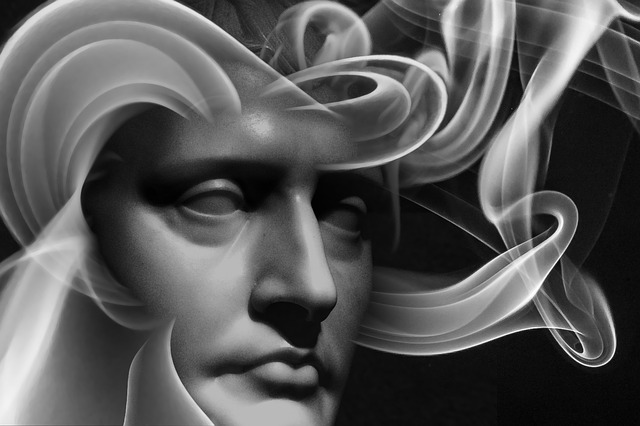 Applied to trial work, Stanislavski teaches the key to success is to reach the state where the subconscious mind functions without interference from the conscious mind. In this state we are relaxed, we have no fear of failure, and we are uninhibited. We forget who we are from an ego self conscious standpoint.